Quick Answer
Last updated: September 2026. Modified Atmosphere Packaging extends shelf life by swapping air for a tuned gas mix. The gas is cheap; knowing the ratio for your product class is the actual asset.
Standard gas ratios by product
| Product class | Typical mix (CO₂/N₂/O₂) | Purpose |
|---|---|---|
| Red meat | 20–30 / 0 / 70–80 | O₂ keeps myoglobin red |
| Poultry | 30 / 70 / 0 | CO₂ antimicrobial |
| Fish (white) | 40 / 60 / 0 | CO₂ heavy |
| Ready meals | 30 / 70 / 0 | Generic antibacterial |
| Cheese hard | 30 / 70 / 0 | Mold inhibition |
| Cheese grated | 30 / 70 / 0 + anti-caking | Flow + mold |
| Coffee whole bean | 0 / 100 / 0 | No oxidation |
| Snack nuts | 0 / 100 / 0 (or 30/70) | Rancidity delay |
| Bread/bakery | 50–70 / 30–50 / 0 | Mold is the enemy |
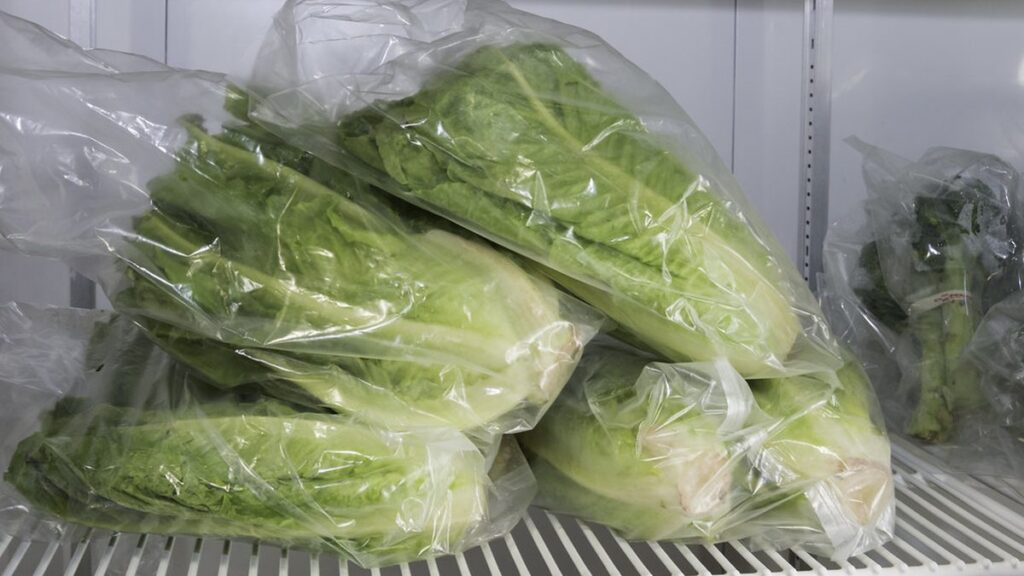
| Fresh-cut produce | 3–5 / 5–10 / 85–92 | Low O₂ respiration control (careful: fermentation risk) |
Sources: gas-supplier application guides (Linde/Air Products/Messer), food-science literature, equipment vendor docs. Ranges vary by product, test your own.
Machine implications
- **Gas flush vs full MAP:** flush ≈ 99% N₂ achievable; true MAP with vacuum+gas → ≤1% residual O₂.
- **Seal integrity** is the shelf-life limiter, not the gas — leak testing belongs in the spec.
FAQ
Does MAP need special film?
Yes — barrier films (metallized/EVOH) or the atmosphere bleeds out in weeks.
CO₂ absorption problem?
Grated cheese and ground coffee absorb CO₂ (package collapse). Balance with N₂ or accept vacuum-look.
**Related:** /modified-atmosphere-packaging-map/ · /nitro-flushing-vs-map/ · /tray-sealer-vs-flow-wrap-map/